

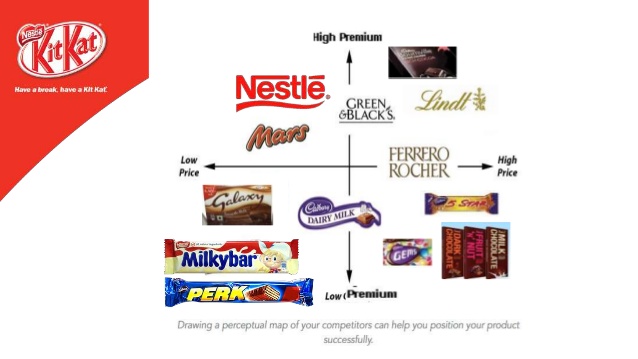
It will cost if it is rare, this is one of the essential aspect of the price point theory. Pricing model of a premium product states Premium pleads positioning.

A customers preference to pay & perceive the product / brand as premium owing to it’s attributes and functionality could be defined as premium. The positioning in the minds of customer determines how much is he/she willing to pay.
The premium the perception of a deliverable, the costlier is the offering. Thus it becomes imperative for the brands to get showcased in the right light. There are multiple factors that determine the product being perceived as premium. The perception to pay is driven by the social, emotional, contextual drivers.
Premiumisation is the process of getting the customer to pay more for the product /brand.
Why do customers pay?
Psychological Need: The customer pays if the product quenches the psychological need of the customer. Something which is satiating and comforting.
Convenience: Something that makes lives more convenient and reduces hassles or effort through its deliverable.
Innovation: Advance technology surely establishes superiority commanding the permiumness
Experience: This is closer to the psychological need, the differentiation comes from the accessibility
Social Status: Enhances the social standing of the customer in the society
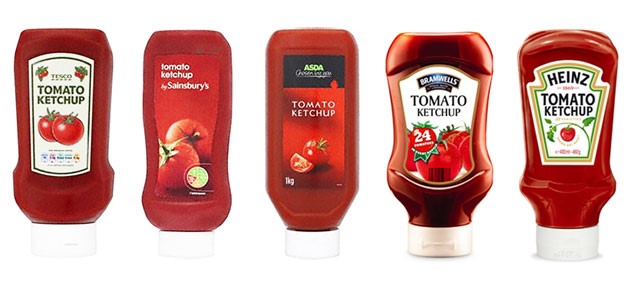
Making a consumer believe that a product is superior to ensure a higher price is shared. Louis Vuitton is the most valuable fashion brand and Gucci is the fastest growing premium luxury fashion brand. A premium brand simply delivers satisfaction and not happiness. The focus is to ensure that the customer remains satisfied. Being different is just not enough being perceived different is key to premiumisation which can be derived by enabling the below attributes;
Safer: The product is trusted, considered safe and secured to consumed and the awareness is high. Example: Gillette
Innovative: There is a product differentiation and advanced. Example: Apple
Experience: Its fun to consume and the product showcases craftmanship. Example: Lego
Easier: The product saves time & energy. Example: Automatic Car
Types of Premiumisation:
| Rarity | Ingredients | Craft | Customer Service |
| Sensory Design | Experience | Status | Features |
| Performance | Reliability | Position | Details |
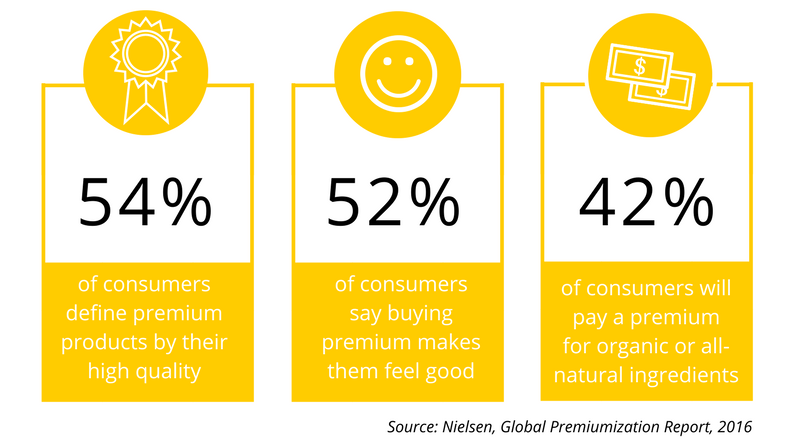
It is imperative that the product is showcased with the effectiveness and the requisite attributes to command the positioning as desired. The brand custodians often cross the line drawn in quest of expansion & profitability impacting the customer’s choice/preference of the product through the price than quality.
–XX–
 Narratives By Nishant Poddar