
After spending nearly a year confined to our homes, there has been a change in the consumer behaviour. It is not just restricted to consumption, buying, selling but thinking as well. This is what all the marketers and retailers are trying to decipher. What’s on the consumer’s mind?

Customers see fashion as an extension of the lives they live. The consumption patterns are no longer limited to the fads, the buying behavior has largely moved to the utilitarian kind of consumption. Consumers largely seek connection and have an affinity towards brands that embody their values and complement their lifestyle.
The restriction in movement during the pandemic & period post relaxation has given a boost to the consumption of a newer category of clothing termed “Home Wear”. Home wear encapsulates attire which are not just comfortable in nature but are all purpose attire which are presentable and categorized decent for an official showcase.
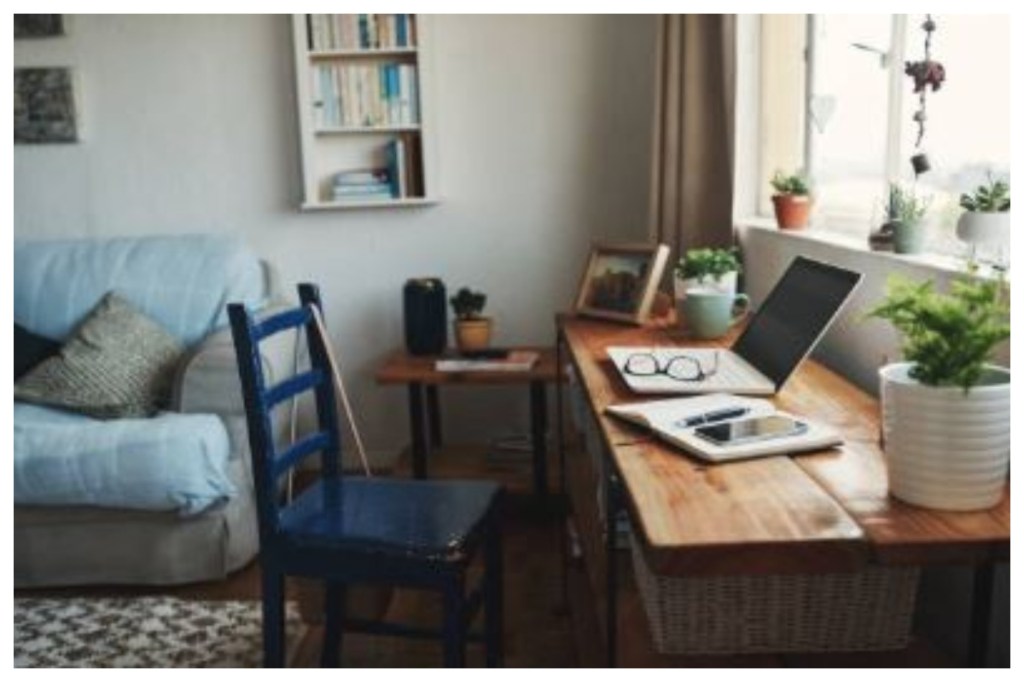
Work from home has removed all boundaries of work attire of a formal / semi-formal wear. The work office has moved from a chair to couch to a bean bag and thus the shift to a comfort clothing. However, the erratic work timing and team calls with our cameras on has ensured that the essence of an attire which is a must have.
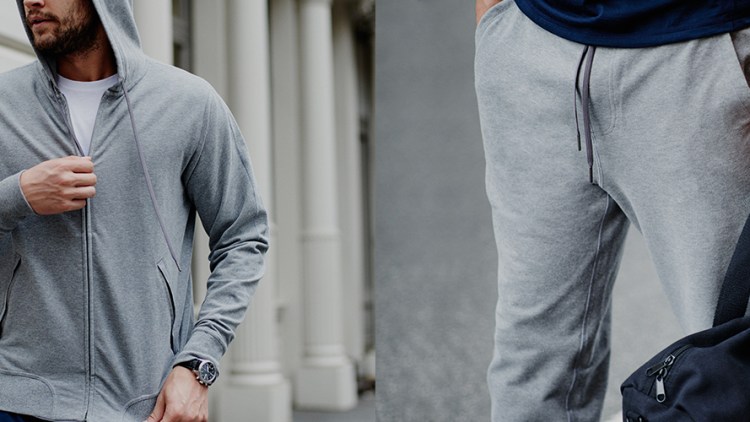
Fashion purchase is a lifestyle choice and what is observed about our customers is with the increased screen time and in front of the camera the focus to ensure the representation of the best version of you has taken some effort. The busier the lifestyle the higher the demand for multifunctional, comfortable, and all-occasion wear. I have also observed that a thoughtful customer with an orientation towards the environment also seeks products that are eco-friendly and recyclable but from the category type “HOME WEAR”.
The brands have caught upon this changed consumer behavior and have put that learning into effect whereby offering more of such products in their range. The demand moved largely because of the changed lifestyle and now supply is fueling the growth.
Also, to be noted that, now with people moving out on work and for social meetings, lounge wear offering needs to be elevated to leisurewear so that the same product could be worn at home and for the step-out meets is adding the enquiries.
Jogger’s and T-shirts have largely been the key movers. Lounge pants, sweatpants, boxer shorts along with the athleisure clothing have been the fast-moving categories. There has also been a spike in the requirement and brand offerings for products with antibacterial fabrics & finishes.
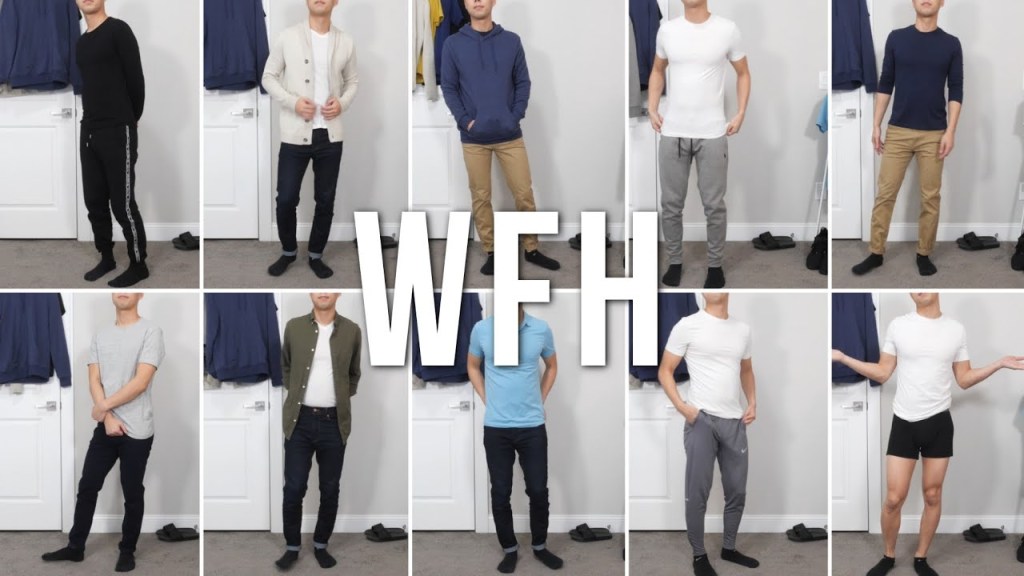
Pastels and darker colors have moved well as against the brighter ones. Multipurpose clothing has been high on demand as the focus has shifted to health. The demand for athleticwear is high, there has been a shift in what consumers ‘desire’ to buy to what consumer ‘want’ to buy. Casual Tops, Bottom wear & Boxers are on top of consumers mind.
The demand has been consistent across all markets; however, we see small tweak in the buying behavior in tier 3 & 4 markets where the consumers have focused on casualwear as against Tier 1 & 2 where the call-out has been specifically demanding athleisure clothing.
The demand in fashion as a category is driven by the consumption in the changed lifestyle and an exposure to the comfort wear. I strongly believe that the demand is here to stay.
There can be minor alterations to the product category i.e. moving from home wear to a utility wear so that the same can be worn even if the customers may have to step out. However, it is to be noted that the changes in lifestyle of the customers have been for good. The focus on health and lifestyle will stay.
Fashion is getting functional as the customers are seeking comfortable, fuss-free styles that adapt to the moment and can travel places. This change is largely because of the consumer behavior who have been busy and living and increasing flexible work life.
–xx–
 Narratives By Nishant Poddar