

The Power of Retail Experiences
Retail is no longer just about transactions; it is about experiences. The modern consumer seeks engagement, interaction, and personalization, which physical stores can uniquely provide. A compelling retail experience is driven by multiple sensory elements that make shopping more personal and immersive:
- Visual: Attractive store layouts, dynamic digital screens, augmented reality (AR) elements
- Auditory: Background music, interactive voice assistants, sound effects
- Olfactory (Smell): Scent marketing to create brand-specific atmospheres
- Tactile (Touch): Interactive product displays, fabric textures, haptic feedback devices
- Thermal (Temperature): Climate control to enhance comfort and relaxation
- Kinaesthetic (Movement): Store design that encourages movement and exploration
What is Immersive Marketing?
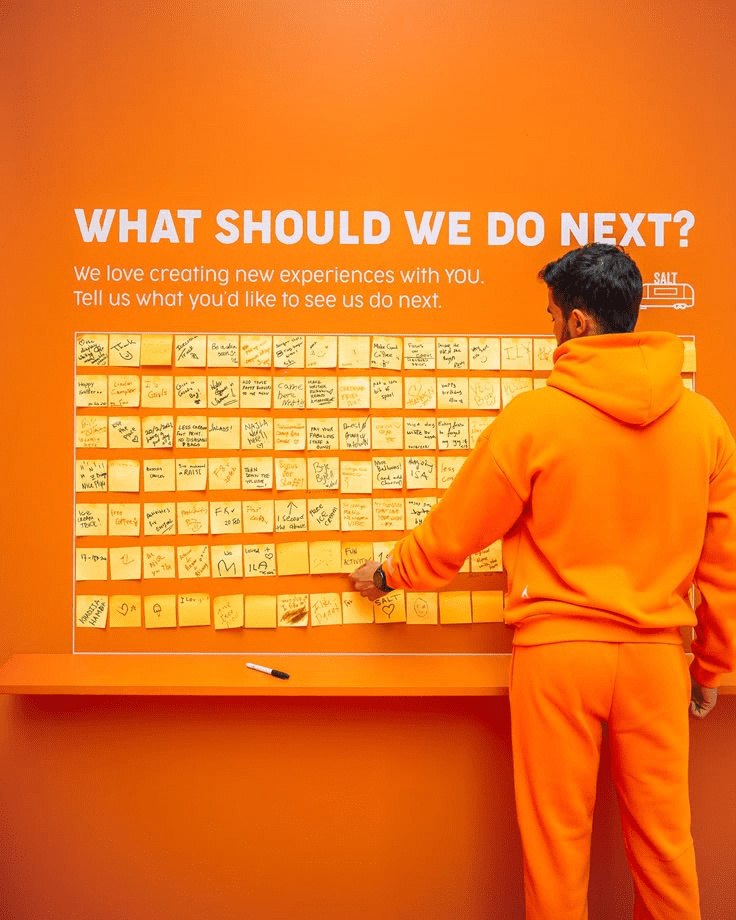
Immersive marketing refers to advertising and promotional strategies designed to create a deep, engaging experience for consumers. By leveraging technology and creative in-store tactics, retailers craft real-time opportunities for customers to explore products, interact with brands, and receive valuable insights.
Why is Immersive Marketing Important?
In a world where digital distractions are abundant, immersive marketing enables retailers to break through the clutter and form meaningful relationships with consumers. Unlike traditional advertising, immersive strategies create memorable, multisensory engagements that foster brand loyalty. Today’s shoppers crave authenticity and engagement, and immersive marketing delivers exactly that.
The Benefits of Immersive Marketing
- Enhanced Brand Recall and Recognition:
- Immersive experiences leave a lasting impression, reinforcing brand identity.
- Increased Consumer Engagement:
- Interactive and lifelike experiences keep customers captivated, increasing their time spent in-store.
- Deeper Emotional Connections:
- Sensory-rich interactions evoke stronger emotional responses, leading to stronger customer-brand relationships.
The Role of Immersion in Retail Success
- The combination of interest and convenience fosters immersive shopping experiences.
- Sensory and aesthetic pleasure contribute significantly to immersion.
- Physical stores have a distinct advantage over online stores by offering real-world engagement.
Immersive retail integrates advanced technology and experiential design to create engaging shopping environments. It leverages:
- Interactive Technology: Digital touchpoints and gamification
- Augmented Reality (AR) & Virtual Reality (VR): Virtual try-ons, 3D product visualization
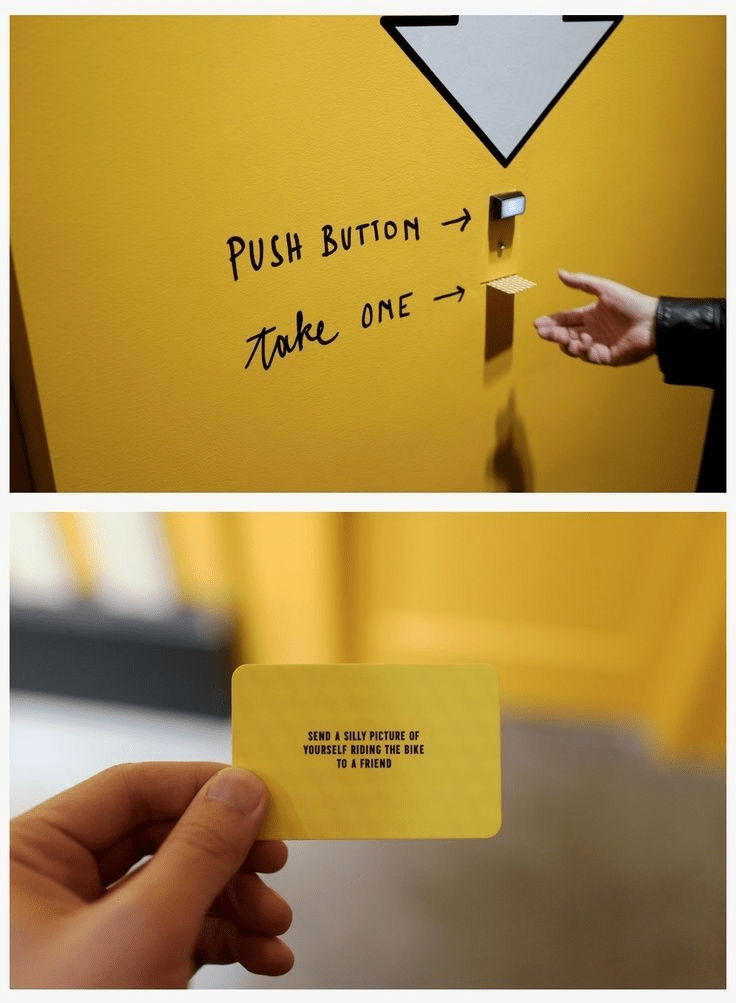
Examples of Immersive Retail Strategies:
- Pop-Up Experiences:
- Temporary, themed retail activations that create a buzz and attract foot traffic.
- Show Windows with Digital Displays:
- Engaging, motion-sensitive displays that capture consumer attention even before they enter the store.
- Interactive Product Displays:
- Smart mirrors, touchscreen catalogues, and digital assistants that personalize the shopping experience.
- Consumer Conversations and Community Engagement:
- Live product demonstrations, Q&A sessions, and social media integration to enhance engagement.
- Personalized and Data-Driven Experiences:
- AI-driven recommendations based on customer preferences and past purchases.
Offline Retail: The Consumer Advantage
Unlike online shopping, physical retail offers sensory engagement, real-time interaction, and immediate gratification. Shoppers who experience products in person are:
- More likely to purchase items they have physically seen and interacted with.
- More inclined to buy additional products through in-store discovery.
- Less likely to return items, reducing operational costs for retailers.
Additionally, personalized in-store services—such as customized recommendations, guided shopping assistance, and exclusive in-store events—enhance customer satisfaction and retention.
Retailers who embrace immersive experiences position themselves ahead of the competition. By integrating multisensory engagement, technology-driven personalization, and interactive brand storytelling, they can transform shopping from a necessity into an unforgettable journey. The future of retail is not just in selling products but in creating meaningful, interactive, and immersive experiences that keep customers coming back for more.
 Narratives By Nishant Poddar
One response to “Creating Immersive Retail Experiences: Engaging Customers to Spend More Time and Shop”
Great article! I think personalization is the next big wave in fashion. Creating immersive experiences basis personalization is fun. I love what Golden Goose does!
LikeLike